Studio Notes
The one-stop shop for interior design and sourcing tips, honest recommendations & behind the scenes of projects, straight from our studio.
The latest from our designers, delivered directly to you:


- How to Find the Red Thread in Your Home
Tactical Tips to Design a Cohesive Home, Without replacing everything. The First in The “Our House” Series.
How to start designing a room is one of the hardest things to do. Whether starting a gut reno or just restyling, it’s hard to figure out how to design your home to work with what you already have. If your style is organic modern but your house leans more Victorian, how can you design your home to bridge the gap? This is where the red thread comes in as a tool to gently connect spaces.
Here are our starter tips to find your red thread and create your dream design that feels natural – using our house:
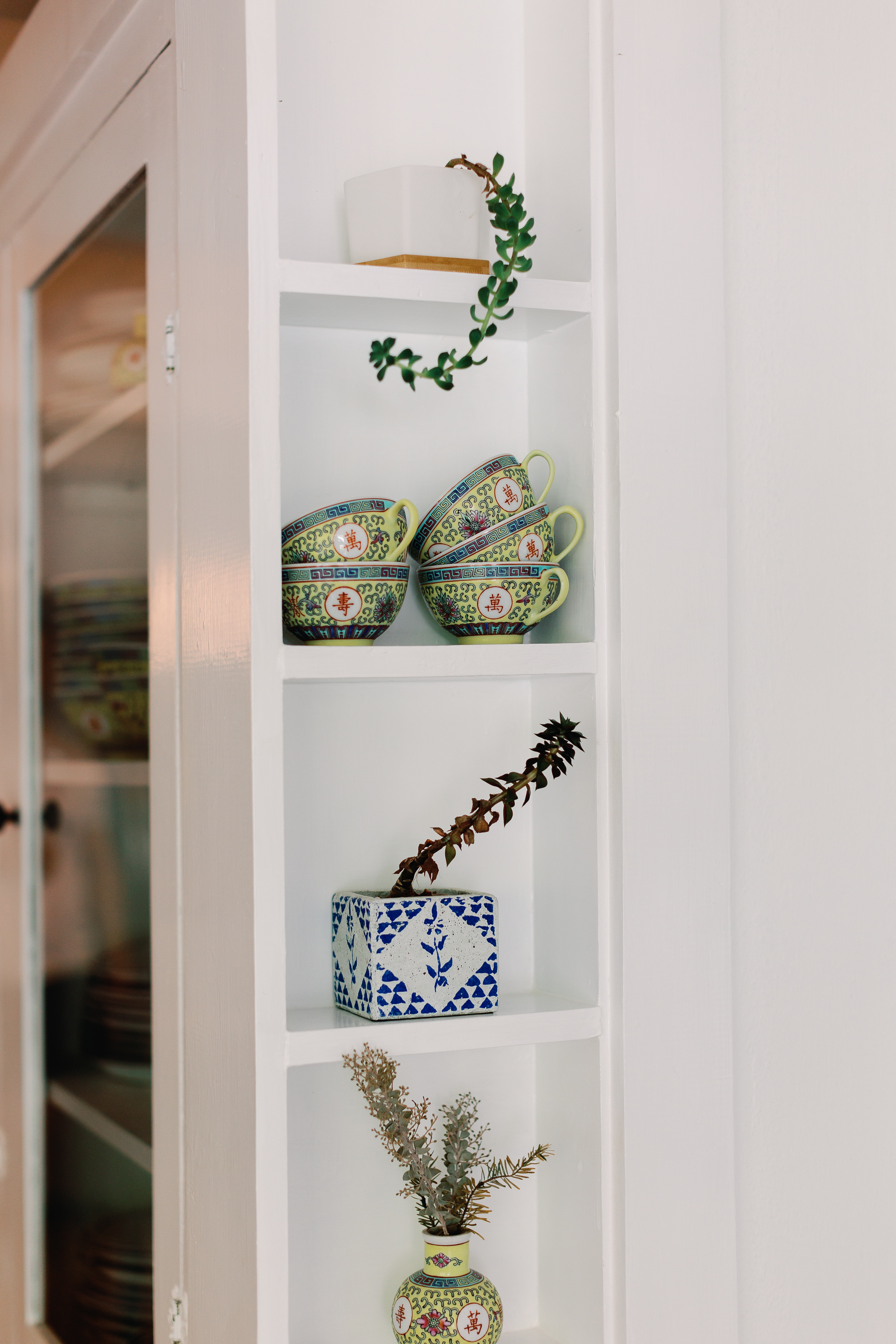
LOOK AROUND + SEE WHAT IS WORKING STRUCTURALLY
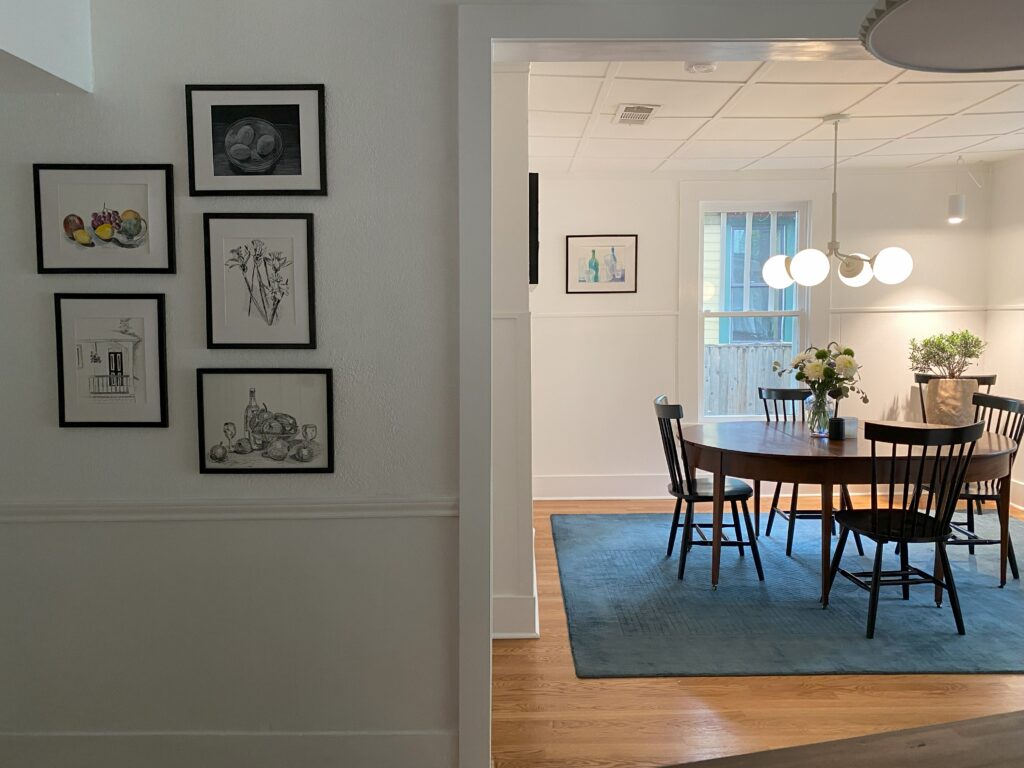
We have white oak floors, unique ceilings and paneling elements, and built-ins throughout the first floor of the house. To make the two floors feel connected, I wanted to bring those elements upstairs.
These little details make our 1920s house feel like it belongs, while also allowing us to bring in more modern elements.
Next, look at your interior design today
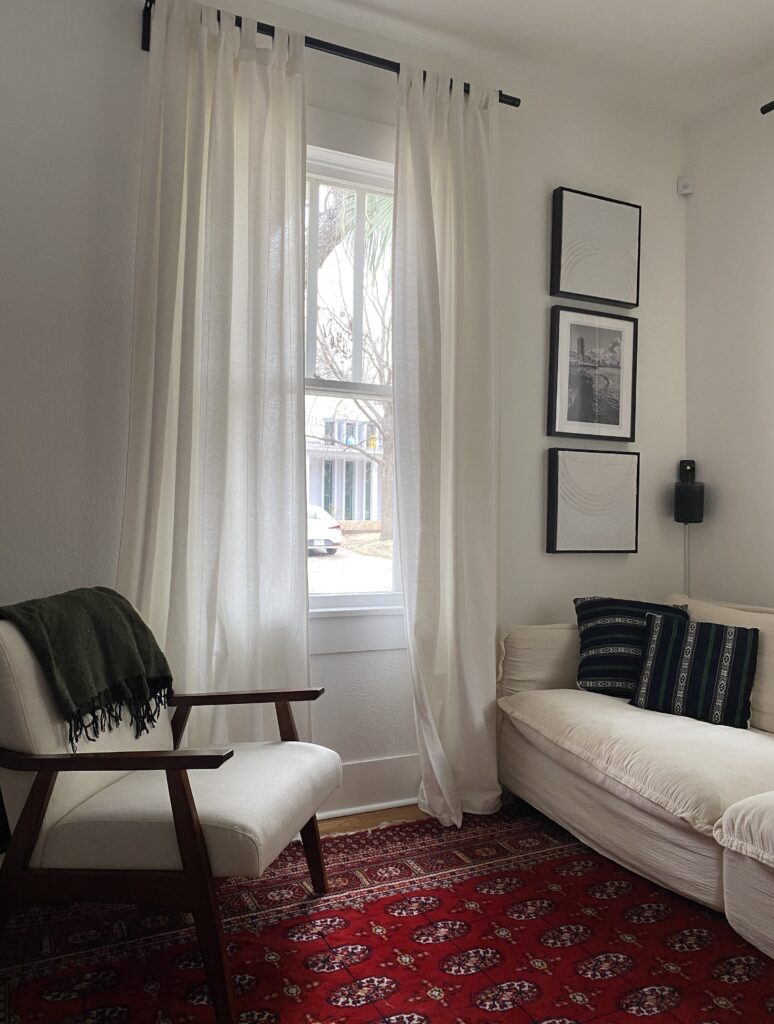
You may not love everything, but chances are there are a few pieces you like. Looking around, it became clear that we gravitate towards lighter walls and saturated colors throughout the rooms for interest. These are elements to note and to take into your future design scheme.
Once you have a design plan, Put it All on a Moodboard
You know we love a moodboard – one of my favorite hacks is to take photos of your current space on one board, and make another for the new design. These can be inspiration photos, colors or any pieces you love. Put them side by side. Do they feel like they could be in the same house? If not, what is the outlier?
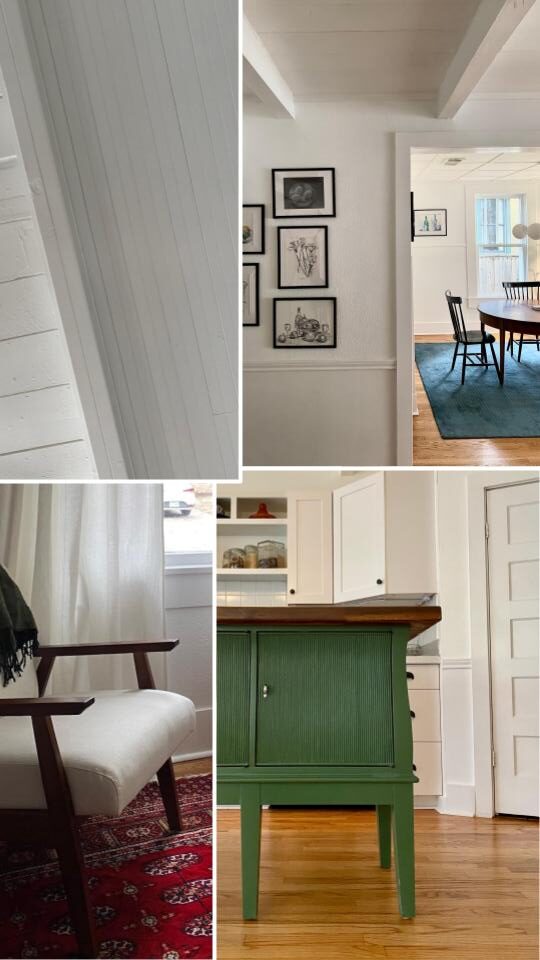
Our Downstairs 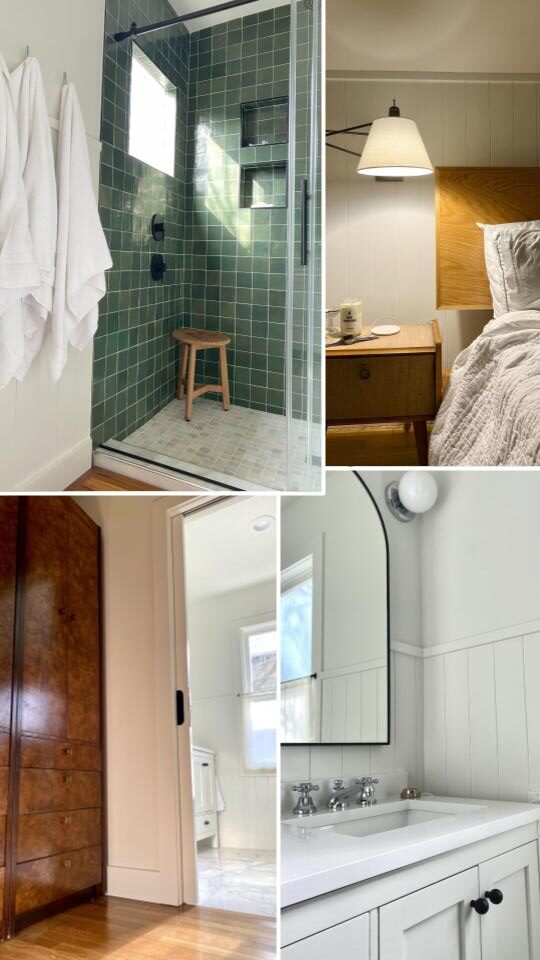
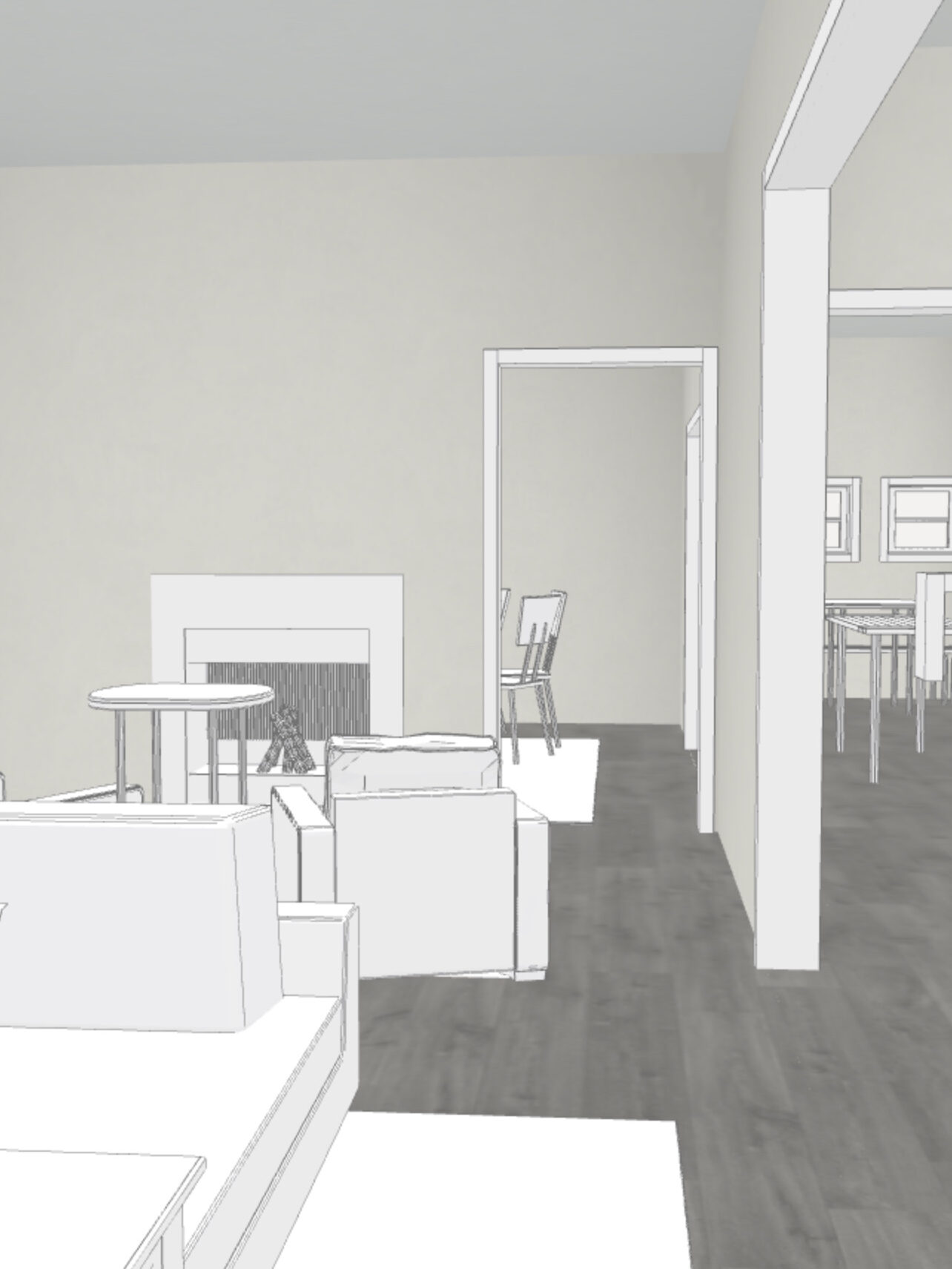
Our New Upstairs - How to Design a Narrow Living Room
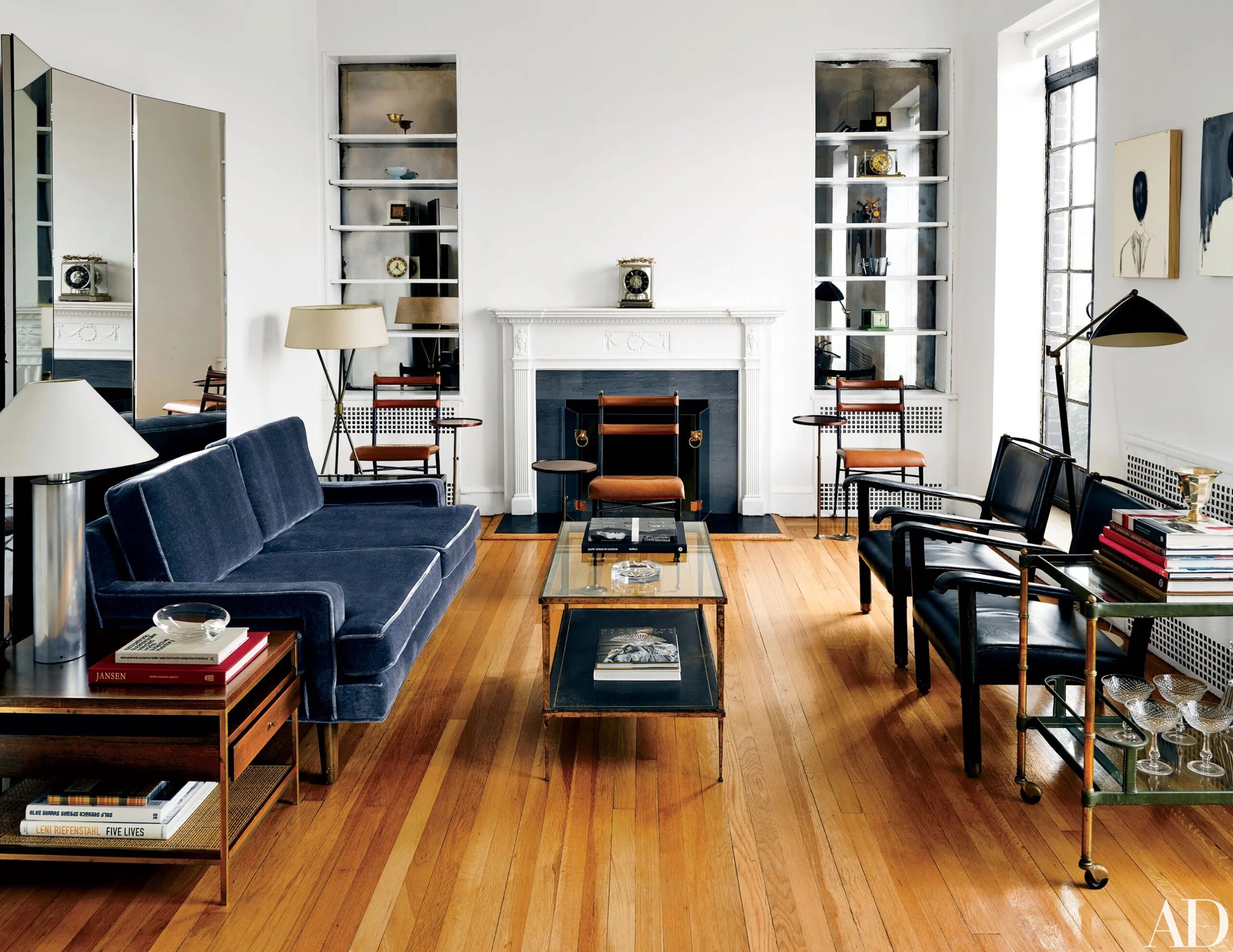
Image: Thom Browne’s NYC home, AD 2016. A masterclass in long, narrow living room design. Determining how to design a narrow living room, especially around a TV or fireplace, is hard. Beautiful photos of magazine-worthy rooms are easy to come by – but how do you actually lay out your small space? What are the most important things to consider?
Here are some tactical tips to design a narrow living room (or any living room layout):
- Write down what you want to use the space for. Is it a more formal place for post-dinner conversation and board games? Is hosting for football games a priority?
- Tip: be realistic about how you actually live. Aspirational design is just that – aspirational – and results in wasted space.
- Get your dimensions and create a layout mockup, including windows, doors and any structural elements like beams or fireplaces. To start, here’s a list of budget design tools.
- Refer back to your wishlist, and start to play around with where things could go.
- When designing a client’s narrow living room the husband was very adamant that he wanted a large TV, while the wife wanted it more tucked away. After doing structural layout sketches, it was clear that only one wall could fit both needs. This became the jumping off point for the whole space.
- Choose a focal point. As demonstrated above, the fireplace draws you in and the furniture arrangement leads your towards it.
- Use rugs and furniture to create clear zones. Large rugs can be used to either link or define spaces. For example, you want to create a cozy TV area, and a more formal area for post dinner drinks and games here are two layout options:
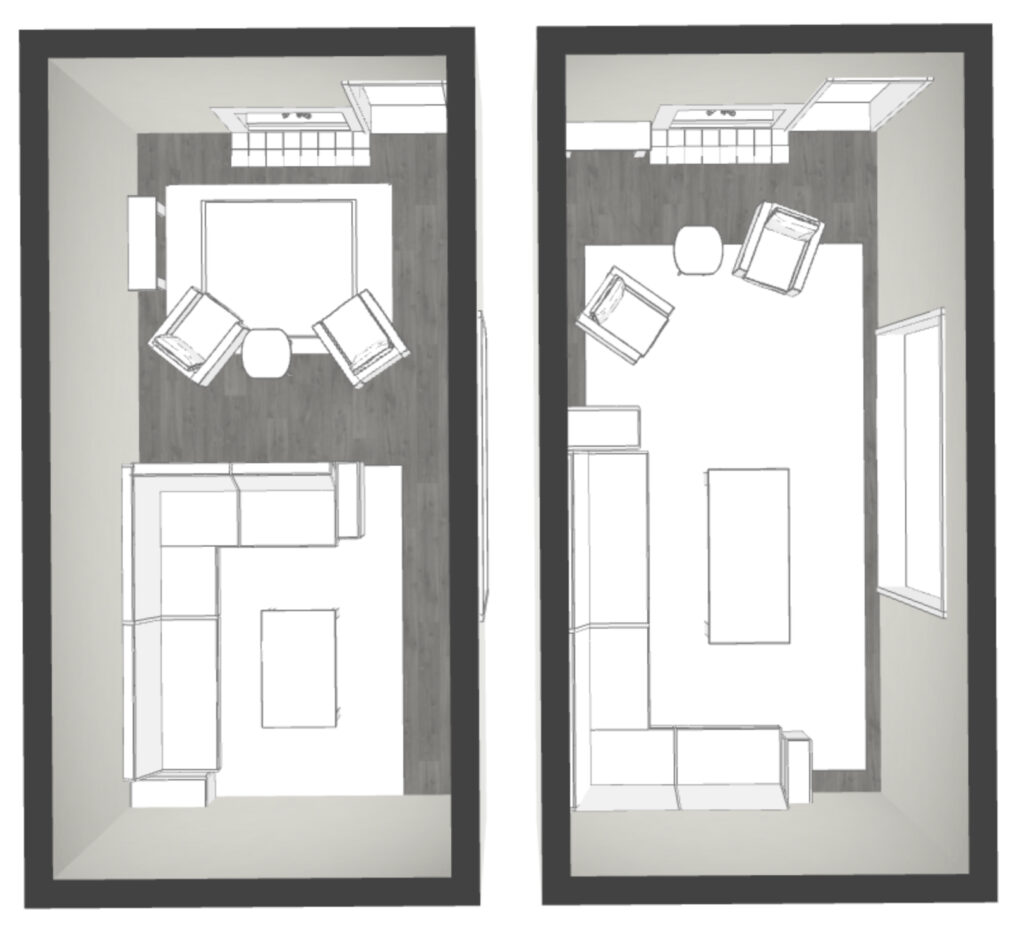
Left: two smaller rugs create two clear “zones” in the room, one more casual hang area and one more intimate seating area. Right: use of one larger rug links the two spaces, and adding swivel chairs by the fire creates flexibility for both an intimate seating area and a larger seating area for entertaining. Need Decorating help?
OR More of the DIY-Type?
- Write down what you want to use the space for. Is it a more formal place for post-dinner conversation and board games? Is hosting for football games a priority?
- How to Find Vintage Furniture Online
Vintage furniture, biophilic design and responsible consumerism have been hot for years. But us mere mortals wonder, how did Nate Berkus source a 200-year old farmhouse table for his latest project? Where does Kelly Wearstler find the dozens of antique terracotta pots that grace the landing of the Austin Proper?
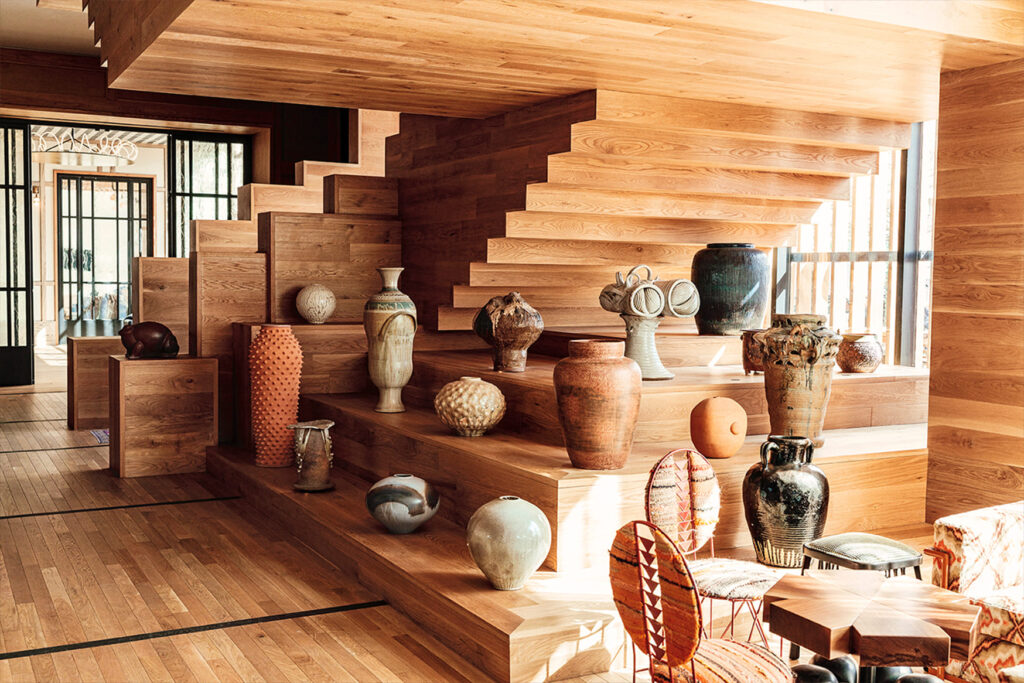
Image: Proper Hotel. For More: KellyWearstler.com Online Vintage Furniture Resale Sites
- 1stDibs: An open secret, it has a reputation for collectors’ pieces for a reason. Be warned that with shipping it’s not the most cost effective unless you’re in a primary market. The typical 1stDibs buyer is also less price sensitive, meaning you will be seeing the highest prices of the options on this list.
- Chairish: mid to high tier, it can be thought of a sister site to 1stDibs and often features similar pieces. Tip: you can often find the same pieces on Chairish as 1stDibs but for a slightly lower price point.
- Etsy: There are wonderful online vintage furniture dealers on Etsy in addition to handicrafts. I highly recommend a quick search for finishing pieces like textiles, candles and the like. I recently found a vintage Kantha quilt for a cozy window seat in a client project.
- Facebook Marketplace: By far the easiest place to start to find unique furniture near you. I’ve found it especially good for items like funky table lamps, marble and wood side tables, and large items like dining tables.
Small Dealers Shipping Nationwide
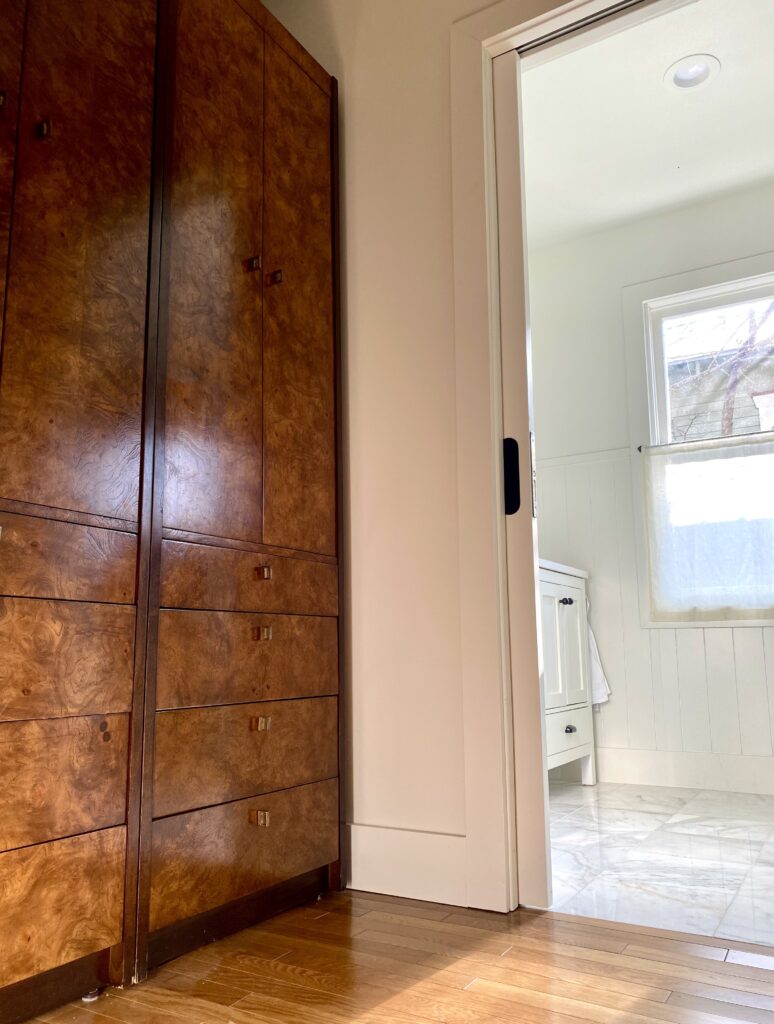
- Line Curve Living (Austin, TX): Tazeen is a sourcing genius. Her style leans organic modern, and her home has even been featured in Domino. I’ve found 1960s bedside tables and 1980s burl cabinets, all in pristine condition.
- Joint Detail (Austin, TX): The powerhouse couple behind this Austin vintage shop specializes in mid-century pieces.
- Moonpool Modern (Houston, TX): For those of us who are more interested in chrome and acrylic style pieces, this is the dealer for you.
- Looking for some dealers in your area? Check Instagram! Search #vintagefurniture[your city] and see what you find.
Bonus: A Vintage Hotspots Worth Traveling For
Round Top, Texas: Located 2 hours outside Austin, this small town becomes the hottest ticket in the country 3 times a year for their antique shows. Picture fields of dealers and deals as everyone from Johanna Gaines to Kelly Wearstler touches down.
Looking for that special something, but need a hand?
- How to Create a Cohesive Interior Design Scheme
There is a lot of conflicting information on how to plan a cohesive interior design scheme. Do all your rooms need to match? How do you make your rooms flow together? How can it look cohesive without being too in your face?
Enter, The “Red Thread”
The concept of a red thread is simple – it’s a subtle theme that continues throughout a home or project that ties it all together. The red thread is born out of the principle of repetition. By adding repetitive elements, you create structure and overall cohesion.
Depending on if you own or rent, there are different ways to plan a cohesive design. For those who are building a new home or renovating finishes, materials and architectural elements are a great way to create cohesion while allowing spaces to have their own personality.
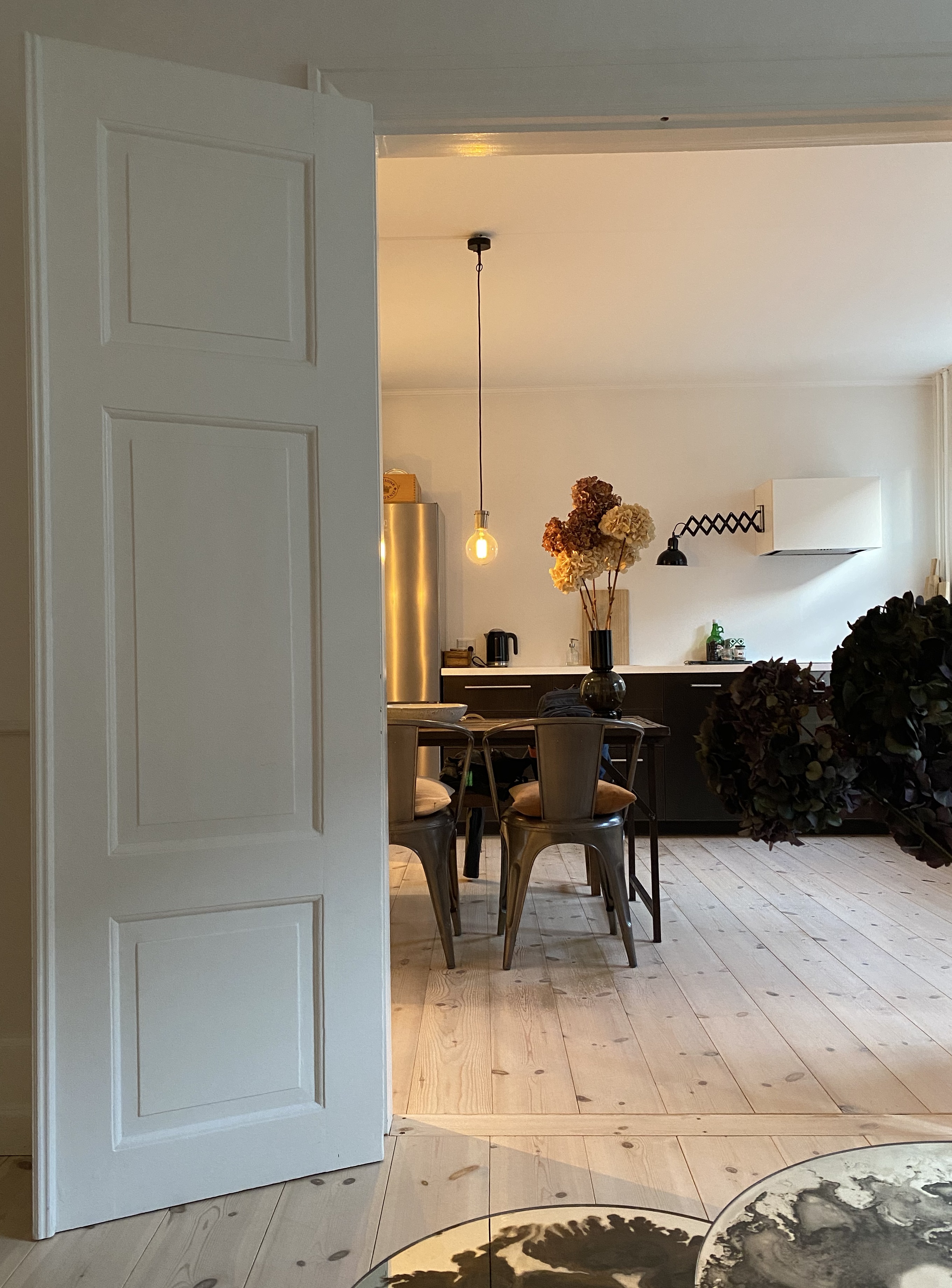
1. Structural Elements
In a recent project white oak floors, oil-rubbed bronze finishes, antique doors and simple trim were put in throughout the home. These finishing elements are the foundation for the design, They allow for different colors and patterns to be incorporated in furniture without it looking too out of place.
2. Using Color
Look to color for a more temporary option. Incorporating a light blue rug in one room and blue art in another create a tie without being too matchy. For those more confident with color, gradually increase saturation. Start with subtler elements in one space, and move to a room fully wrapped in navy paint. Havenly has great tips if you’re feeling bolder.
3. Cohesion through furniture style or period
To use furniture as a red thread, stick to specific styles, materials or elements. Your home could be heavily influenced by mid-century design and feature furniture with clean lines, or skew more antique and eclectic with collected items from around the world. Tip: we never advocate for using all furniture from the same period. Use these instead as your focal points, and layer in different eras around it.
Pro Tip: Gut Check with a Moodboard
I find it incredibly helpful when planning spaces that will be adjacent to one another to create mood boards, and flip through them as though you are moving through the space. For example, start with all the furniture, colors and art you plan on for the living room. Then, flip to the dining room and do the same. When you switch between the two mood boards, do they feel like they are speaking the same language?
For more tips, check out the rest of our Studio Notes.
- Living Room Design: How to Fix Layout Mistakes
The hardest part of designing a living room is the layout, especially how to match form and function and how to optimize for traffic flow. It’s easy to know when a layout isn’t working. Fixing it is the hard part.
We recently wrapped the virtual design phase of a project with a retired couple in Portland. They are looking to update their finished basement to create a guest suite for their adult children. At present, it didn’t fit with the house from a design perspective, nor was the layout functional for use.
What Wasn’t Working: Common living room Layout Mistakes
There are three key reasons why the original living room layout (top) wasn’t working.
- Furniture in the flow of traffic. Before, the path from the interior of the house to the backyard required walking around the sofa.
- Placing the TV in the flow of traffic. To get to the bathroom, you walk directly in front of the TV, which makes the space less conducive to hosting (good luck having a Super Bowl party).
- Using a large area rug without intention. The large rug didn’t anchor or define any spaces in the room. It makes the layout feel flat and confusing as it stretches from entertainment zone to walkway to music area.
How to fix this living room layout:
From talking to the clients, we knew they valued a clear entertainment zone and making the space a pleasant and functional pass through to their backyard. Here are the three steps we took to fix the layout:
- Reorient the couch area to create a clear walking path. Now, there is a straight path from the stairs outside vs having to walk around the couch.
- Move the TV to create a clear path to the bathroom.
- Replace the couches and rug with a larger section to serve as the divider to create two zones within the room: walkway and entertainment area.
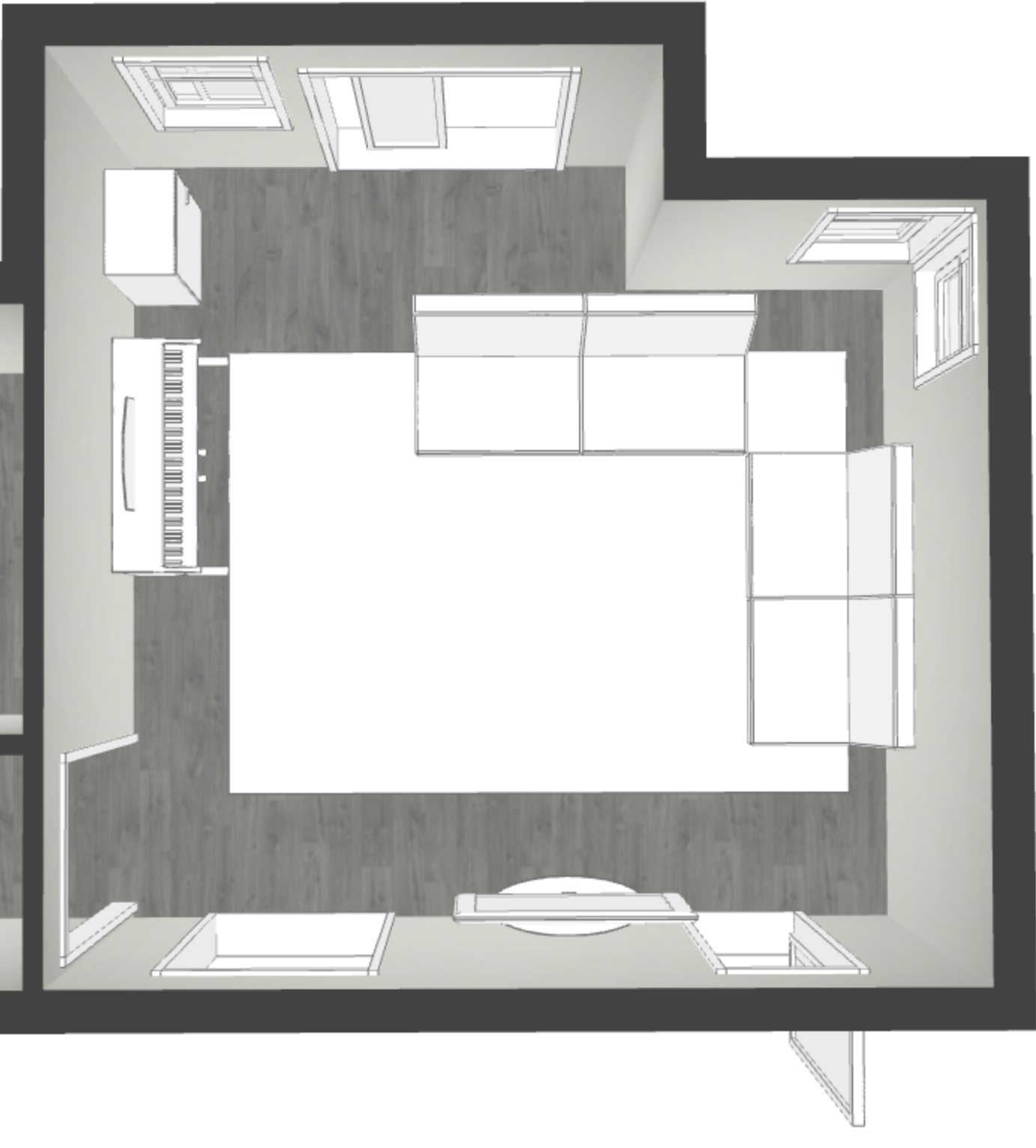
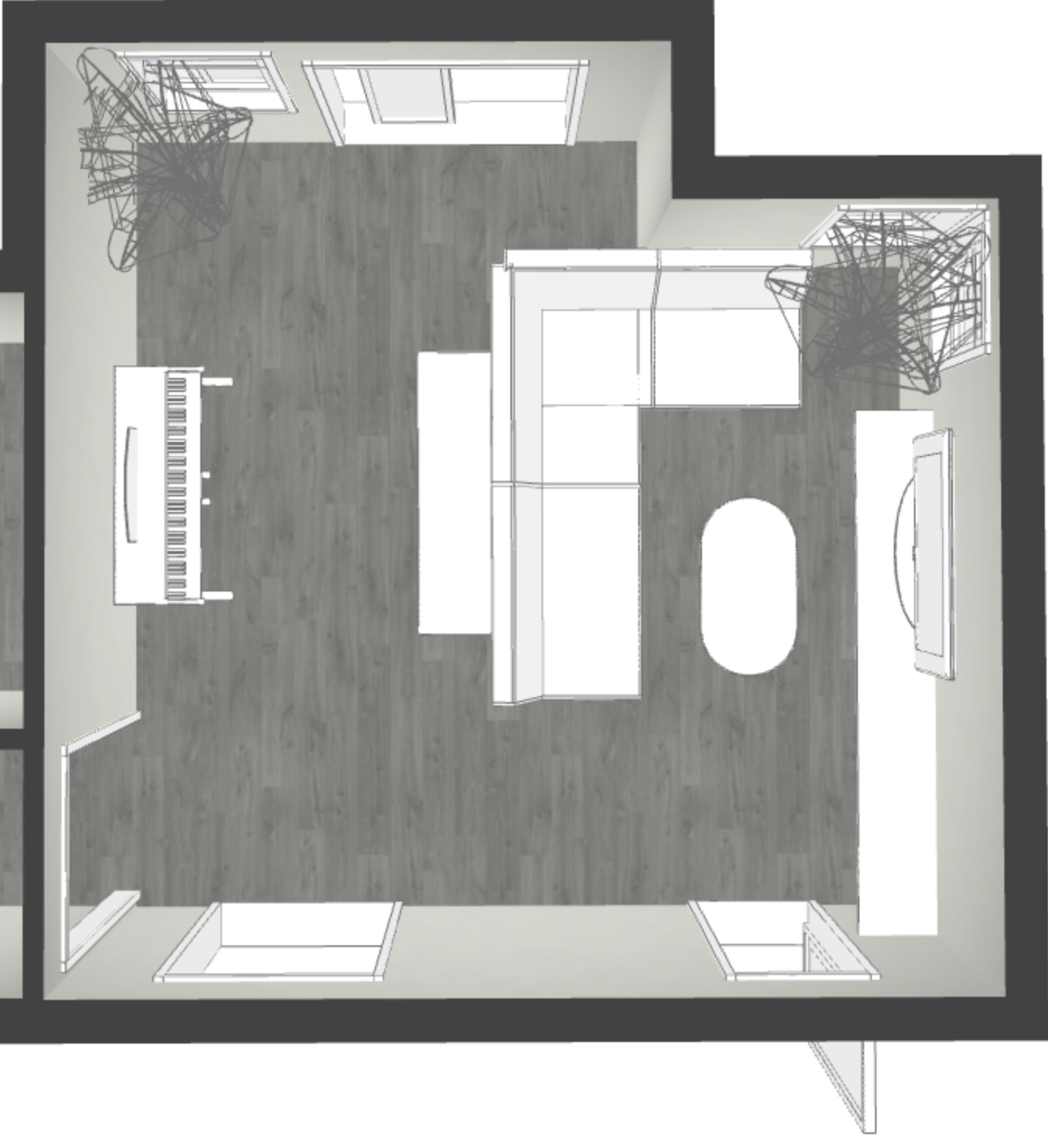
Top: the floorplan before. Bottom: the furniture layout after. Looking for tools to start designing your home? Here are our recommendations.